In global manufacturing and procurement, two terms often define how products are developed and sourced: OEM and ODM. Understanding the difference is critical for businesses deciding whether to buy in bulk from China or explore new supply chain hubs in Asia as tariffs and trade dynamics evolve.
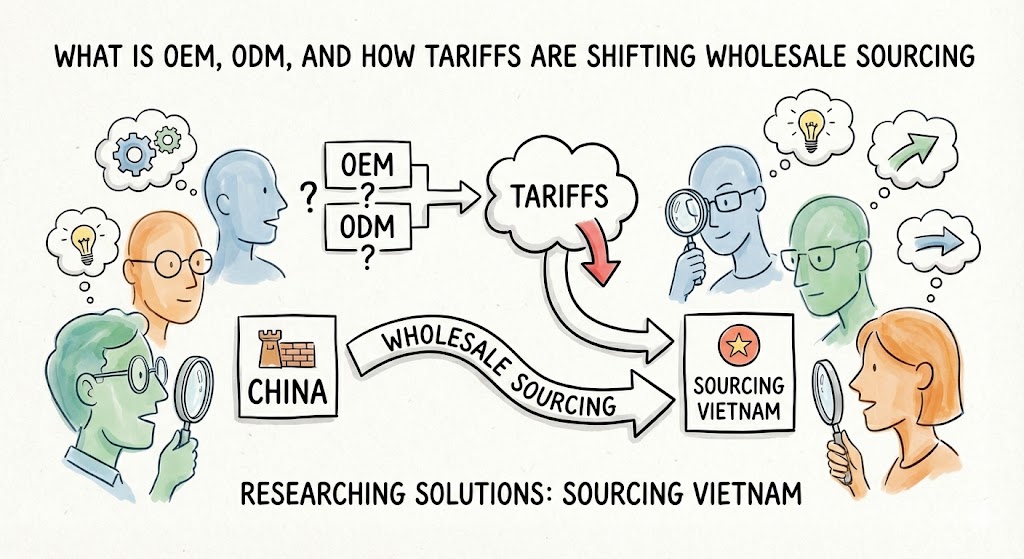
What is OEM, ODM, and How Tariffs Are Shifting Wholesale Sourcing from China to Other Asian Countries
In global manufacturing and procurement, two terms often define how products are developed and sourced: OEM and ODM. Understanding the difference is critical for businesses deciding whether to buy in bulk from China or explore new supply chain hubs in Asia as tariffs and trade dynamics evolve.
OEM Meaning: Original Equipment Manufacturer
So, what does OEM really stand for?
The key benefit is control: you own the intellectual property, and the manufacturer executes production according to your requirements.
ODM Meaning: Original Design Manufacturer
Now, let’s clarify ODM meaning.
This is particularly valuable for small-to-medium companies wanting to enter new product categories without heavy upfront design costs.
Why Companies Buy in Bulk from China
For decades, China has been the dominant hub for wholesale sourcing. Companies buy in bulk from China because of:
However, rising tariffs, stricter compliance standards, and increased labor costs have forced many U.S. and European buyers to reconsider their reliance on China.
How Tariffs Are Shifting Wholesale Sourcing
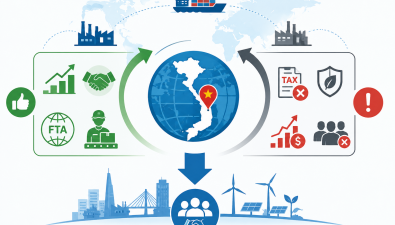
Trade tensions and tariff hikes on Chinese imports have accelerated the “China+1 strategy” — diversifying sourcing into other Asian countries such as Vietnam, India, Thailand, and Indonesia.
Key Shifts:
By sourcing beyond China, businesses mitigate tariff exposure and reduce supply chain risks while maintaining access to skilled manufacturing networks.
Choosing Between OEM and ODM in Asia
When moving beyond China whole sale markets, businesses should decide whether OEM or ODM fits their strategy:
How Unison Tech Can Be Your Bridge to Reliable Suppliers in Asia
At Unison Tech, we understand the challenges businesses face when shifting sourcing strategies from China whole sale markets to new destinations like Vietnam, Thailand, and Southeast Asia. Finding a reliable supplier is not just about lower costs — it’s about trust, quality, and long-term partnership.
That’s where we come in:
Unison Tech acts as your bridge to Asia’s best OEM and ODM suppliers — helping U.S. companies diversify beyond China, reduce tariff impact, and secure long-term, sustainable supply chain success.
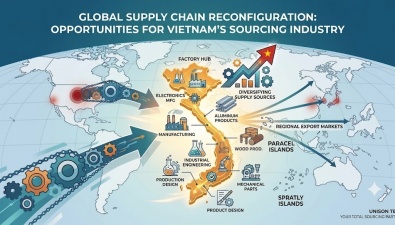
Global Supply Chain Realignment: How Vietnam's Sourcing Industry Can Turn Geopolitical Challenges into Competitive Advantages