As of early August 2026, Vietnam’s trade activity continues to maintain positive momentum, with exports reaching approximately US$320 billion, up 21.7%, while imports reached approximately US$340 billion, up 34.8%, resulting in a trade deficit of around US$20.5 billion.
Notably, imports have increased significantly across key production-related categories, including machinery and equipment, electronics and components, industrial materials, and fuel. The current trade deficit therefore reflects not only strong import demand, but also the continued expansion of manufacturing, investment, and demand for production inputs. The Vietnamese government continues to focus on removing bottlenecks, promoting exports, and increasing domestic value-added production.
Foreign direct investment (FDI) remains a bright spot in Vietnam’s economy. During the first seven months of 2026, realized FDI reached approximately US$15.2 billion, up 11.8% year over year, reflecting continued momentum in investment and project implementation.
The continued expansion of the FDI sector is generating strong demand for machinery, equipment, components, industrial materials, logistics, and skilled labor, while creating greater opportunities for Vietnamese businesses to participate more deeply in global supply chains.
Vietnam’s interest-rate environment is becoming increasingly differentiated across banks and financial products. Deposit rates for some common maturities remain relatively moderate, while certain deposit programs offer significantly higher rates. With credit demand growing and funding conditions under pressure, banks are balancing the economy’s demand for capital with the rising cost of deposits.
At the same time, the current policy direction remains focused on managing funding costs and supporting lower lending rates, helping businesses maintain production, investment, and purchasing activity. Interest-rate developments will therefore remain an important factor to watch through the final months of 2026.
In the final months of the year, policies supporting exports, FDI, manufacturing, and higher domestic value-added are expected to continue supporting economic growth.
At the same time, increasingly stringent requirements for product origin, production standards, supply-chain traceability, and workforce quality are encouraging businesses to move beyond price-based competition and compete increasingly on quality, transparency, and reliability.
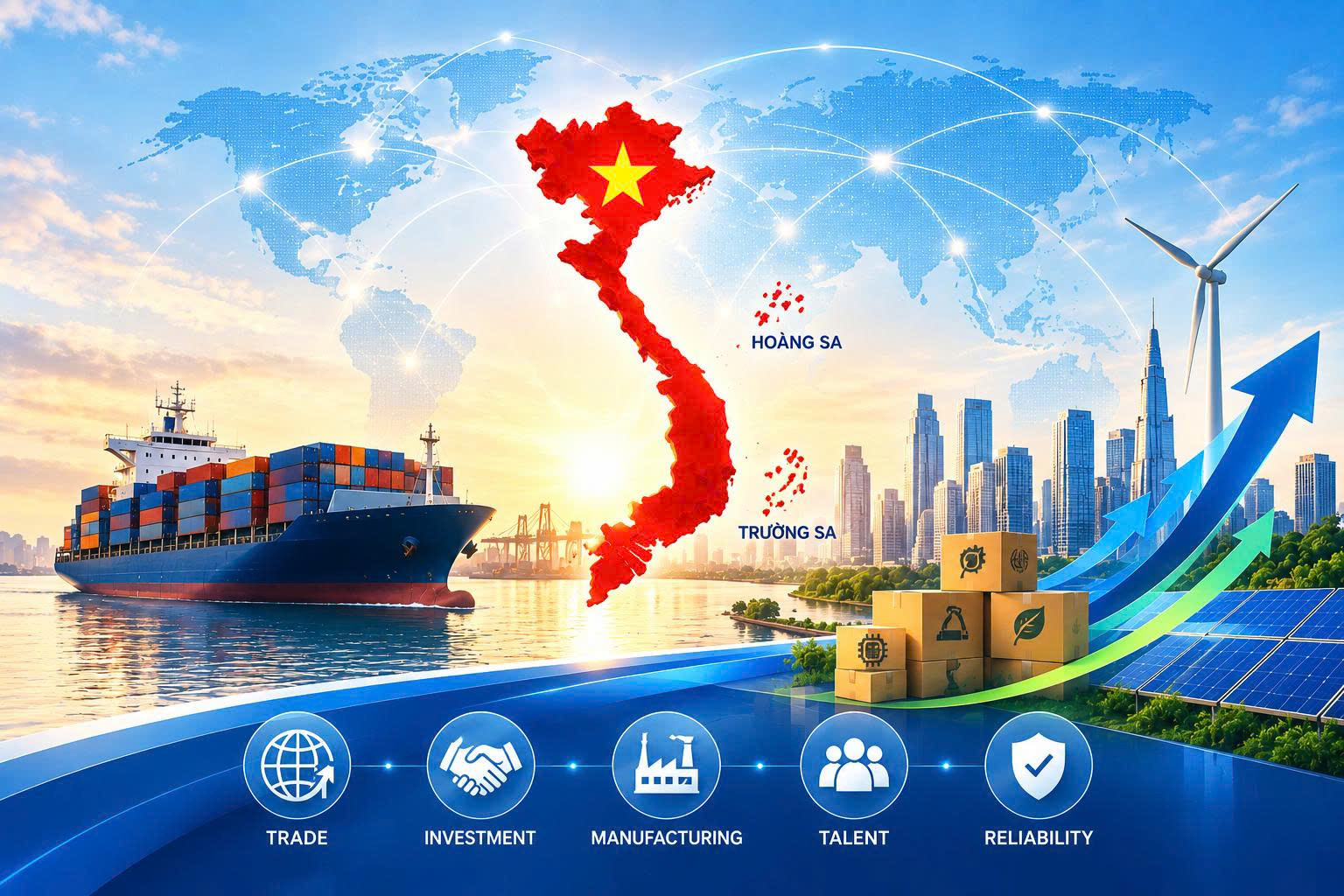
During the first months of 2026, Vietnam’s labor force reached approximately 53.7 million people, with around 52.6 million people employed. The share of workers with formal training, degrees, or professional certifications has continued to improve compared with the same period last year.
The quality of Vietnam’s workforce is steadily improving, with continued progress in technical skills, professional expertise, industrial work practices, and adaptability to new technologies. The development of manufacturing, technology, logistics, and services is also driving growing demand for skilled technicians and specialized talent.
More importantly, the expansion of FDI and international production networks is giving Vietnamese workers greater opportunities to gain exposure to global technologies, production processes, and international workplace standards. This is helping strengthen the competitiveness of Vietnam’s workforce and its ability to meet the evolving needs of both domestic and international markets.
Index
Vietnam is entering the final months of 2026 with a broader economic base and deeper integration into global markets. Continued growth in trade, ongoing FDI implementation, expanding manufacturing activity, and a growing demand for skilled workers are creating new momentum for Vietnam’s supply-chain ecosystem.
With a stable political environment, deeper global integration, a large and increasingly skilled workforce, and steadily improving manufacturing capabilities, Vietnam remains well positioned as a reliable destination for international businesses looking to invest, source products, develop talent, and build long-term supply-chain partnerships.
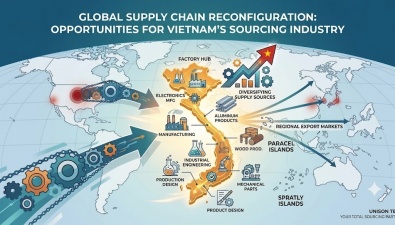
Global Supply Chain Realignment: How Vietnam's Sourcing Industry Can Turn Geopolitical Challenges into Competitive Advantages